Business templates made for real service businesses.
Exposed Tree Roots in the Lawn: Plan Maintenance Without Damaging the Tree
A practical workflow for landscape crews handling exposed roots, revised maintenance boundaries, and client requests for changes.

Short answer: Exposed tree roots in a lawn call for a maintenance decision, not an automatic root-removal job. Stop mowing where equipment cannot pass without striking roots, document the area, and discuss a suitable no-mow treatment or arborist review. Do not shave roots, bury the trunk, or promise that adding soil will permanently restore a smooth lawn.
In this guide
The customer points to a root beside the walkway and asks, “Can you just cut that down so the mower clears it?” It sounds like a small extra task. For a lawn-care business, however, accepting it can move the crew from routine maintenance into work that affects a mature tree and changes how the property is used.
This guide helps you inspect the conflict, explain the options, and write a workable scope. It is not a root-pruning prescription or a tree-risk assessment. The practical outcome should be a clearly marked area and an agreed maintenance method that your crew can follow on the next visit.
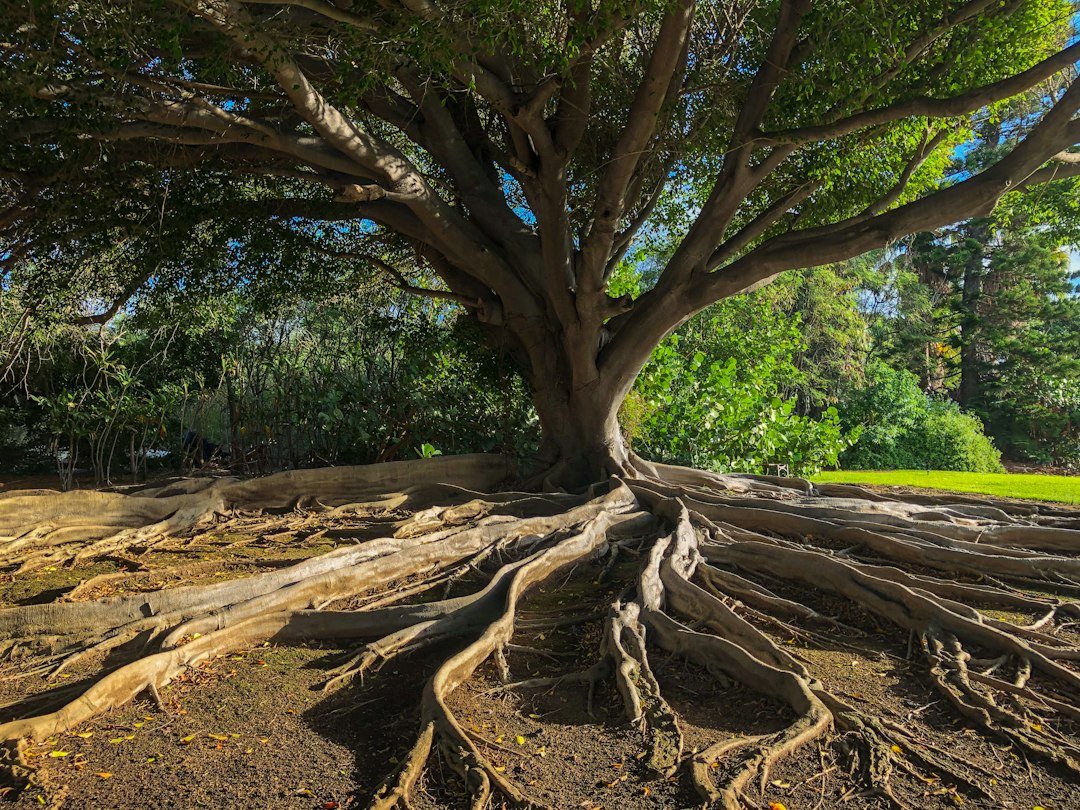
Separate a visible root from a tree diagnosis
University of Wisconsin Extension explains that surface roots can appear as trees grow, with soil conditions and erosion also influencing what becomes visible. Roots at the surface can interfere with mowing, but their presence alone does not tell a lawn-care crew whether a tree is healthy, stable, or in need of removal.
Begin with the customer’s practical concern. Is the mower catching a root? Is grass being left untidy? Does the root cross a frequently used route? Are they asking for a different appearance? Write down the concern before suggesting a solution. A safer route around the tree and a redesigned bed may address different problems and should not be sold as interchangeable.
Keep your initial description factual. Note the location, visible injuries, existing soil or mulch, nearby paving, and the parts of the lawn that cannot be maintained as previously agreed. If the client reports recent movement or other changes, record their words and arrange appropriate assessment. Do not turn an ordinary mowing visit into an unsupported declaration that the tree is safe.
Pause the conflicting work and map the area
Walk the affected route before bringing equipment through it. Take a wide photograph that shows the tree in relation to the house, paths, and lawn. Add closer photographs of the specific roots and any existing marks. Avoid moving soil or cutting vegetation aggressively merely to produce a better photograph.
Sketch a temporary no-mow boundary that the next crew can recognize. Use stable landmarks and communicate the boundary in the job notes. If temporary markers are used, follow your site safety procedure and keep them from becoming another obstruction. The boundary is an operating instruction, not a calculation of the tree’s full root system or a formal protection zone.
Identify any remaining work that can be completed without disturbing the affected area. Tell the client what has been paused before leaving, rather than allowing an uncut patch to look like a forgotten task. If safe access cannot be maintained, stop that part of the service and escalate the decision to the person responsible for the property.
Compare maintenance choices before pricing them
| Option to discuss | What the scope needs to settle | What it does not establish |
|---|---|---|
| Keep the roots visible and change the maintenance boundary | Which area is excluded, how adjacent turf is maintained, and how the client will use the space. | That every access or trip concern is resolved. |
| Create an appropriately designed mulched area | Boundary, existing material assessment, approved turf-removal method, and future maintenance. | Permission to bury roots or pile mulch against the trunk. |
| Consider suitable groundcover or planting | Plant selection, careful installation, establishment care, and who checks root conflicts. | Permission to till through roots or install a raised bed. |
| Request an arborist assessment first | The specific question, site access, decision owner, and work that remains on hold. | A guarantee that root cutting or tree retention will be approved. |
You can use this comparison in a site conversation without presenting it as a package menu. The client needs to understand the appearance and upkeep of the preferred option. If the alternative requires design or tree expertise you do not provide, price your part separately and name the work that needs a qualified specialist.
Avoid turning a mowing problem into a grading job
Iowa State University Extension notes that surface roots are normal for many trees and that covering them with soil may provide only temporary relief. It also warns that substantial added soil can deprive roots of oxygen. That is a reason to resist a quick promise to “level everything out” with a truckload of topsoil.
Do not treat differing recommendations on thin soil coverings as permission to choose a depth without assessing the tree and site. Existing grade, existing coverings, drainage, and the desired future use matter. Where a client wants new turf over prominent roots, obtain appropriate guidance before quoting a change to the root-zone grade.
A written exclusion should be direct: the maintenance proposal does not include cutting, grinding, shaving, trenching through, or burying roots. If a later design requires any of those actions, it needs a separate assessment and approval process. Avoid wording that leaves the crew to decide on the day based on whether the mower fits.
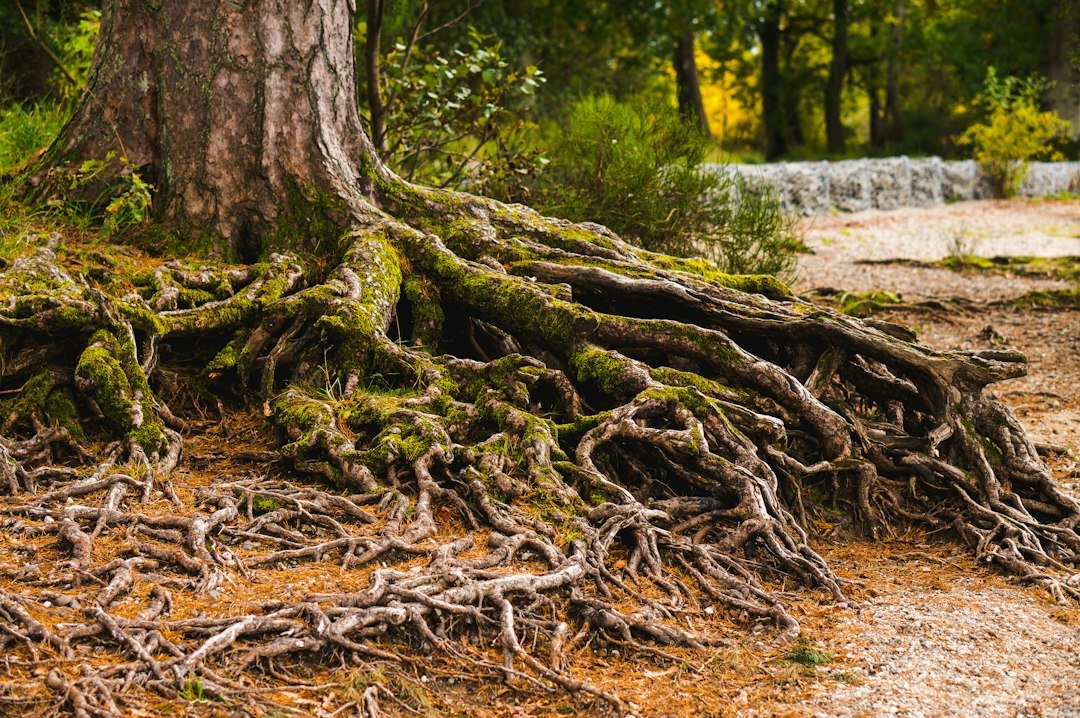
Specify a mulch option beyond a material quantity
University of Minnesota Extension describes benefits of organic mulch around trees, including reduced equipment injury and soil compaction. It also warns that excessive depth and contact with trunks can cause problems. A useful proposal therefore needs to address existing material and placement, not simply sell a number of bags.
Document the current condition before calculating additional material. An area may already contain accumulated mulch hidden by leaves or weeds. Ask who will check that condition and what the crew should do if the planned work reveals a conflict. Specify that changes to the agreed method require review rather than improvisation.
Confirm how the existing turf will be managed without damaging roots. Do not include deep digging or mechanical cultivation as a default preparation step. Wisconsin’s guidance cautions against disturbing roots when creating planted areas. If you are not qualified to choose the method for this tree, make preparation dependent on the relevant professional’s direction.
Describe the finished boundary in a way the client can visualize: its outline, the lawn that will remain, and the maintenance needed at the edge. Ask whether the appearance fits how they use the yard. A technically sensible bed can still disappoint if the owner expected an uninterrupted lawn and was never shown the proposed shape.
Give the client a decision they can approve
A good proposal separates the immediate service adjustment from the optional improvement. The immediate adjustment might be a paused mowing area. The improvement might be an approved mulched bed or a planting plan. Attach the marked photograph to both so the same physical area is being discussed.
Example wording: “We cannot mow the marked area without contacting the exposed roots. Routine mowing will continue outside that boundary where conditions allow. We propose reviewing a mulched area as a separate improvement. Root cutting, grade changes, and tree assessment are excluded from our maintenance service. We will confirm the final method and price before additional work begins.”
Invite the client to approve a specific option or request a specialist review. Record who has authority to decide, especially on rental properties or community-managed grounds. A tenant’s preference or an informal request from a passerby should not become approval to alter a landscape the business owner has not authorized.
Price the work you will actually perform
Build the estimate from the approved method: assessment time within your scope, materials, access, careful handling, edging work where appropriate, cleanup, and follow-up. Keep specialist fees separate unless your proposal clearly includes them. Do not absorb an uncertain root-zone intervention into the ordinary mowing price just because the area is small.
Illustrative planning example: Suppose the approved maintenance adjustment takes an extra 12 minutes on each of 20 scheduled visits. That is 240 minutes, or four staff hours, over the period. This is not an industry production rate. Use your own observations to compare ongoing maintenance with a separately assessed landscape change.
A conversion also has an ongoing cost: inspections, weeds, displaced mulch, plant establishment, or a changed edge-maintenance routine. Present these obligations before the client chooses. Do not describe the area as maintenance-free. Comparing only the installation charge can produce a decision that looks inexpensive but does not match the owner’s expectations.
Brief the crew before the next visit
- Open the marked photograph and confirm the no-mow boundary on site.
- Identify the work that is authorized and the work still awaiting a decision.
- Keep mower and trimmer contact away from the roots and trunk.
- Do not add soil, remove roots, or change preparation methods without review.
- Photograph new damage or changed conditions and notify the responsible person.
- Update the property note when the client approves a lasting maintenance plan.
Keep these instructions attached to the property, not just to one employee’s memory. A substitute crew should be able to see the same boundary and understand why it exists. If a route change means different equipment will be used, revisit access before assuming the original operating plan still fits.
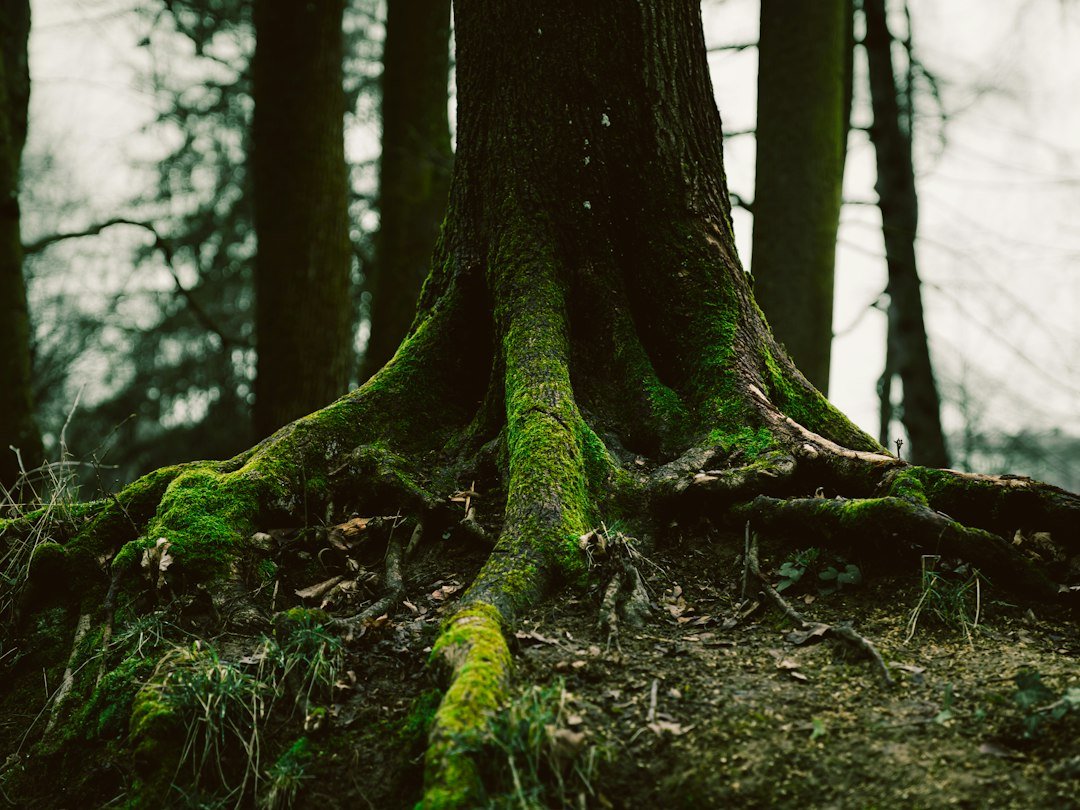
Revisit the area after the plan changes
At the first service after an approved change, compare the site with the agreed photograph or sketch. Check whether the crew can follow the boundary and whether the client understands the revised appearance. Record any practical problem, such as an edge that is difficult to maintain, before it becomes a repeated source of damage or complaint.
A maintenance review is not a substitute for tree assessment. If new conditions raise concerns beyond your expertise, document them and refer the client appropriately. The value of the record is that it shows what changed and when, while leaving conclusions about tree health or stability to the right professional.
Common questions about surface-root maintenance
Can we shave just the top of a root to clear the mower?
Do not include that as a routine lawn-care adjustment. The purpose of the new boundary is to avoid injury, not make it easier to remove part of the tree. If the client insists on modifying roots, pause that request and refer it for qualified arborist assessment before any work is agreed.
Will a mulch bed make the exposed roots disappear permanently?
That should not be promised. A suitable bed changes how the area is used and maintained; it does not stop the tree from growing. Discuss appearance, depth checks, edging, and future care as part of the proposal. Keep the trunk and root flare appropriately clear according to site-specific guidance.
Your next step
Before the next mowing visit, identify one root-conflict area, mark it on a photograph, and confirm the temporary maintenance boundary with the client. That small documented decision is more useful than repeatedly trying to maneuver around the same obstacle without an agreed plan.
Sources and further reading
- University of Wisconsin Extension: How to deal with surface tree roots.
- Iowa State University Extension: Can I cover large surface roots around my shade tree?.
- University of Minnesota Extension: Watering established trees and shrubs, including mulching guidance.
Updated in 2026. Written for lawn-care and landscape-maintenance businesses; obtain local arboricultural guidance for decisions affecting an individual tree.